
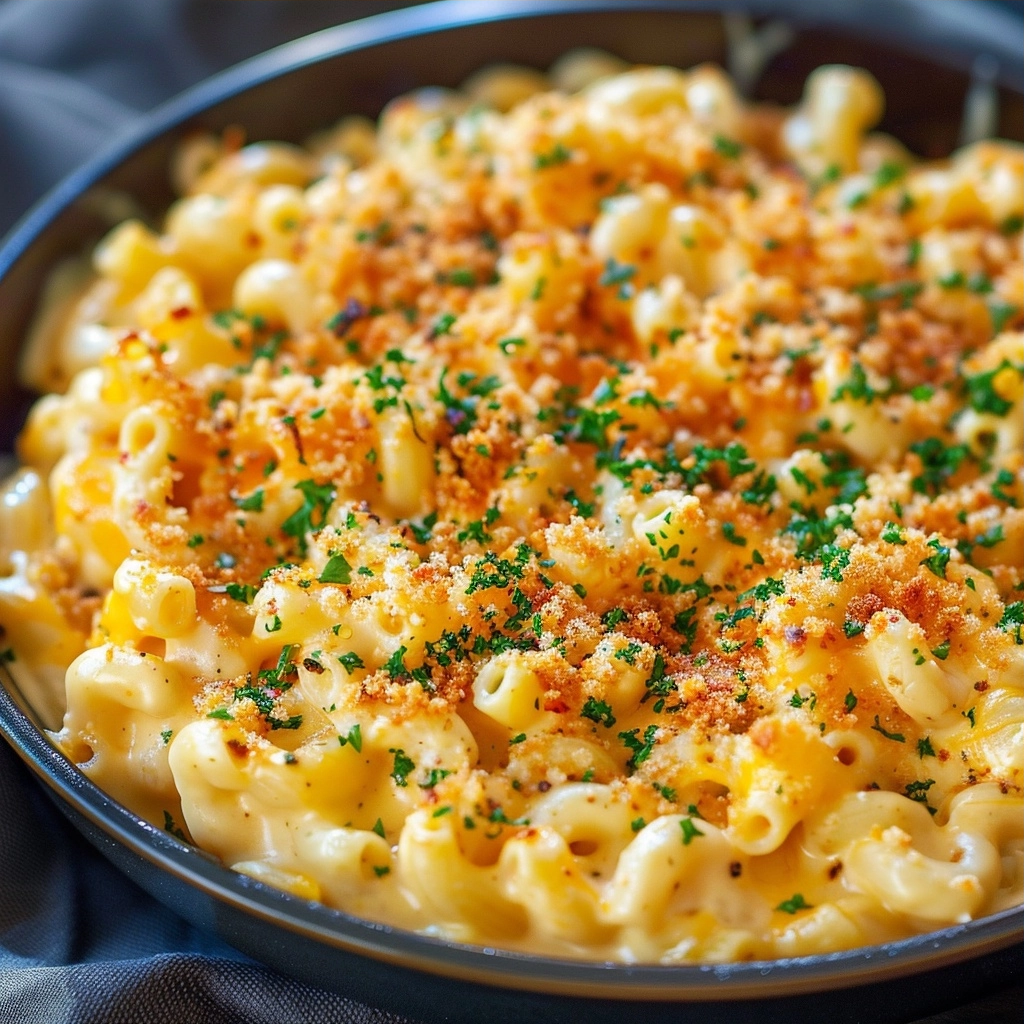
Stovetop mac and cheese is a rapid, decadent comfort meal that uses high-quality cheddar and milk to create a velvety sauce without requiring an oven. This preparation method yields superior texture and flavor consistency compared to baked versions, providing an immediate solution for intense cravings. By focusing on temperature control and high-quality dairy, you achieve restaurant-grade results in under twenty minutes.
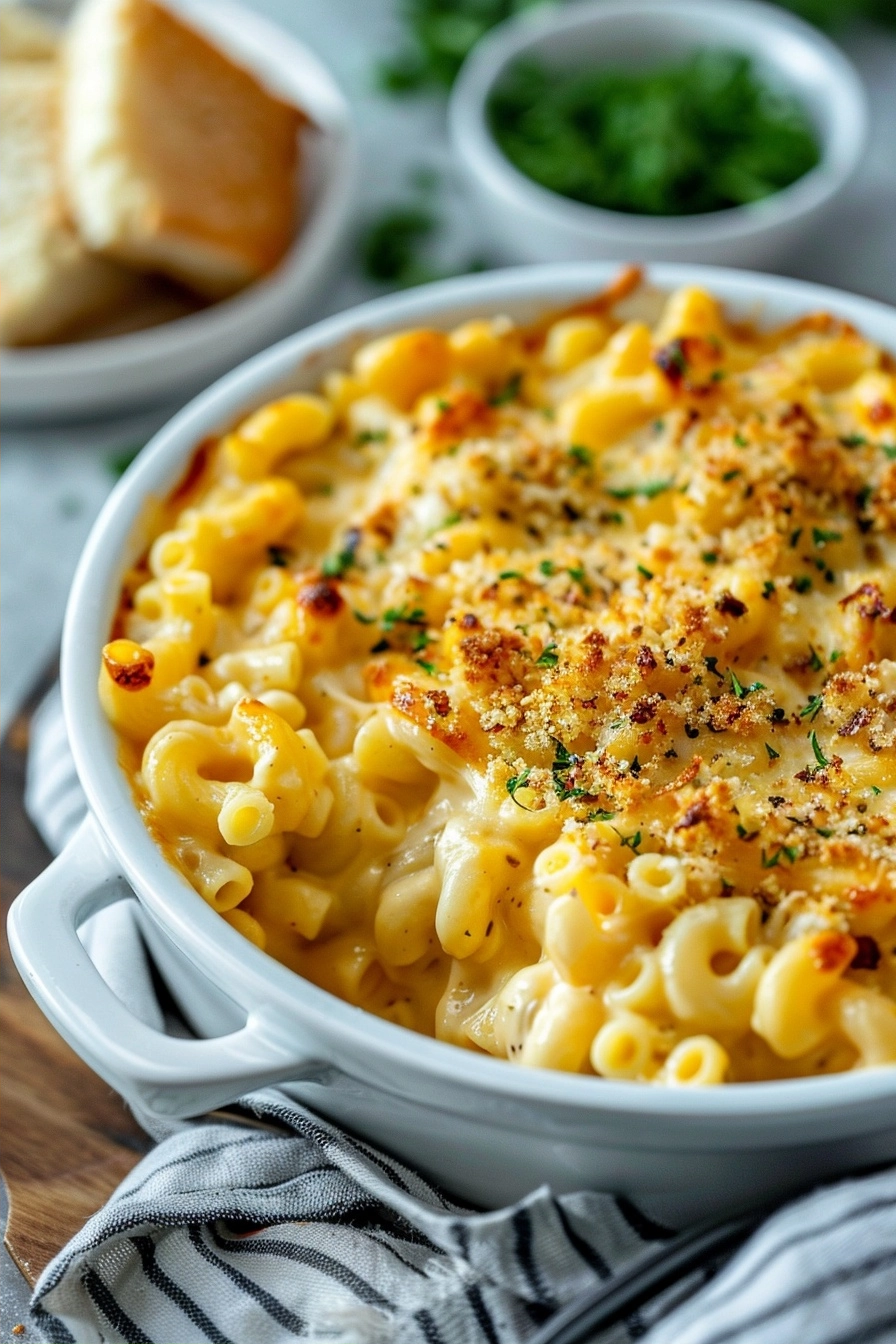
Recipe Overview
| Category | Details |
|---|---|
| Prep Time | 5 minutes |
| Cook Time | 15 minutes |
| Total Time | 20 minutes |
| Servings | 4 |
| Difficulty | Easy |
| Cuisine | American |
Why This Recipe Works
This stovetop mac and cheese works because it relies on the direct emulsification of fats and proteins rather than the drying heat of a conventional oven. I developed this approach after noticing that traditional flour-based roux often lead to chalky textures when reheating leftovers in smaller home kitchens. This direct-heat method creates a glossy, clinging sauce that coats every ridge of the pasta perfectly.
Using a combination of sharp cheddar and Monterey Jack creates a perfect balance of deep flavor and supreme meltability. You will find that keeping the heat at a medium-low setting prevents the proteins in the cheese from seizing, ensuring a smooth finish every time. Experience shows that avoiding pre-shredded bags makes a significant difference, as the anti-caking agents inside those products inhibit a smooth, creamy melt.
Ingredients
| Ingredient | Quantity | Notes |
|---|---|---|
| Elbow Macaroni | 1 lb | Dry, high-quality pasta |
| Sharp Cheddar | 2 cups | Freshly grated is required |
| Monterey Jack | 1 cup | Adds superior creaminess |
| Whole Milk | 1.5 cups | May substitute with half-and-half |
| Unsalted Butter | 4 tbsp | High-fat European style |
| Dijon Mustard | 1 tsp | Flavor enhancer |
| Garlic Powder | 0.5 tsp | For subtle depth |
Step-by-Step Instructions
Cooking the Pasta
- Boil a large pot of salted water.
- Add the macaroni and cook according to package directions until al dente.
- Drain the pasta thoroughly while reserving a small amount of starchy cooking water.
Creating the Cheese Sauce
- Melt butter in the same pot over medium-low heat.
- Whisk in the spices and mustard until fragrant.
- Pour in the milk and heat until it reaches a gentle simmer.
- Add the grated cheeses in small handfuls, stirring constantly until fully melted.
- Fold the cooked pasta back into the sauce until every noodle is coated.
Chef Tips for Perfect Results
- Grate your cheese from a block at home to avoid potato starch coatings that interfere with texture.
- Keep the heat low when adding cheese to prevent the sauce from breaking or becoming oily.
- Use the reserved pasta water to adjust the final consistency if the sauce becomes too thick.
- Add the cheese in three distinct stages, whisking continuously until each addition is smooth.
- Serve immediately as the sauce thickens as the pasta cools on the plate.
Common Mistakes to Avoid
Common mistakes often stem from improper temperature management. Adding cheese to boiling milk will cause the fats to separate, resulting in a grainy, broken sauce that lacks that classic glossy finish. Always pull the pot off the burner if the milk begins to boil rapidly before the cheese is ready. Another error involves overcooking the pasta, which creates a mushy, undesirable base that cannot hold the weight of the rich dairy sauce.
Variations and Substitutions
| Ingredient | Substitution | Impact on Flavor |
|---|---|---|
| Whole Milk | Heavy Cream | Increased richness |
| Monterey Jack | Gouda | Nutty, sweeter profile |
| Dijon Mustard | Smoked Paprika | Subtle smoky undertone |
Serving Suggestions and Pairings
Serve this dish alongside a crisp garden salad to provide a refreshing contrast to the richness of the cheese. It works exceptionally well as a side dish for grilled vegetables or roasted broccoli during a casual family dinner. For a balanced meal, pair it with pan-seared tofu steaks or cauliflower florets to add textural variety and fiber.
Storage and Reheating
| Method | Duration | Instructions |
|---|---|---|
| Fridge | 3-4 Days | Store in an airtight container |
| Microwave | 1-2 Minutes | Add a splash of milk before heating |
Nutritional Information
| Nutrient | Amount per Serving (Approximate values) |
|---|---|
| Calories | 480 kcal |
| Protein | 18g |
| Fat | 22g |
| Carbohydrates | 45g |
Frequently Asked Questions
How do I fix a grainy cheese sauce?
A grainy sauce is typically caused by excessive heat during the melting phase. You can often salvage it by whisking in a tablespoon of room-temperature milk or water and lowering the heat to the lowest setting. This helps re-emulsify the proteins back into the liquid base.
Is it acceptable to use pre-shredded cheese?
Pre-shredded cheese is not recommended because it contains cellulose and potato starch that prevent clumping inside the bag. These additives block the cheese from melting into a smooth, cohesive sauce, often resulting in a clumpy texture. Freshly grated cheese from a block provides the best possible melt for stovetop applications.
How do I keep the sauce creamy for leftovers?
The secret to reheating is adding a small amount of moisture before applying heat. A tablespoon of milk or cream ensures the sauce regains its original texture without drying out in the microwave. Always reheat on medium power settings to avoid overheating the dairy components.
Which pasta shapes hold the sauce best?
Elbow macaroni remains the standard choice, but any short, hollow pasta works effectively. Cavatappi and shells are excellent alternatives because their shapes are specifically designed to scoop and retain cheese sauce. Using these shapes ensures that every bite contains the ideal ratio of pasta to cheese.
Is it possible to make this dish ahead of time?
While this recipe is designed for immediate consumption, you can partially cook the pasta and store it separately from the sauce. Recombine them in a pot on the stovetop when you are ready to serve to maintain the freshest texture. Making the sauce entirely ahead of time often leads to a stiffer final product when reheated.
Stovetop mac and cheese remains the most reliable method for achieving a perfect, restaurant-quality result in the comfort of your home. By utilizing high-quality cheeses and precise heat control, you elevate a simple pantry staple into a gourmet experience. Enjoy this reliable technique for your next meal, knowing that the creamy, savory outcome is guaranteed. Experiment with different cheese blends to customize the profile, but always stick to the core preparation method to ensure that smooth, velvety consistency that defines the perfect stovetop mac and cheese.
Print
Stovetop Mac and Cheese: The Ultimate Creamy Recipe
- Total Time: 20
- Yield: 4 servings 1x
- Diet: Vegetarian
Description
This stovetop mac and cheese is a rapid, decadent comfort meal that delivers restaurant-quality results without the oven. By using high-quality cheddar and Monterey Jack cheeses combined with direct-heat emulsification, you achieve a velvety, glossy sauce that clings perfectly to every ridge of the pasta. It is the ultimate solution for intense cravings, providing a consistent and creamy texture in under twenty minutes.
Ingredients
1 lb elbow macaroni
2 cups sharp cheddar cheese, freshly grated
1 cup Monterey Jack cheese, freshly grated
1.5 cups whole milk
4 tbsp unsalted butter
1 tsp Dijon mustard
0.5 tsp garlic powder
Salt to taste
Instructions
Boil a large pot of salted water and cook macaroni until al dente.
Drain the pasta thoroughly, reserving a small amount of starchy cooking water.
Melt butter in the same pot over medium-low heat.
Whisk in the Dijon mustard and garlic powder until fragrant.
Pour in the milk and heat until it reaches a gentle simmer.
Add the grated cheeses in small handfuls, stirring constantly until fully melted and smooth.
Fold in the cooked macaroni until well coated with the cheese sauce.
Adjust consistency with reserved pasta water if needed and serve immediately.
Notes
Always grate your own cheese from blocks to avoid anti-caking agents that hinder melting. Keep the heat at medium-low to prevent the cheese proteins from seizing. Half-and-half can be used as a substitute for milk for an even richer sauce.
- Prep Time: 5
- Cook Time: 15
- Category: Dinner
- Method: Stovetop
- Cuisine: American
Nutrition
- Serving Size: 1.5 cups
- Calories: 550
- Sugar: 7g
- Sodium: 650mg
- Fat: 28g
- Saturated Fat: 16g
- Carbohydrates: 48g
- Fiber: 2g
- Protein: 24g
- Cholesterol: 85mg