
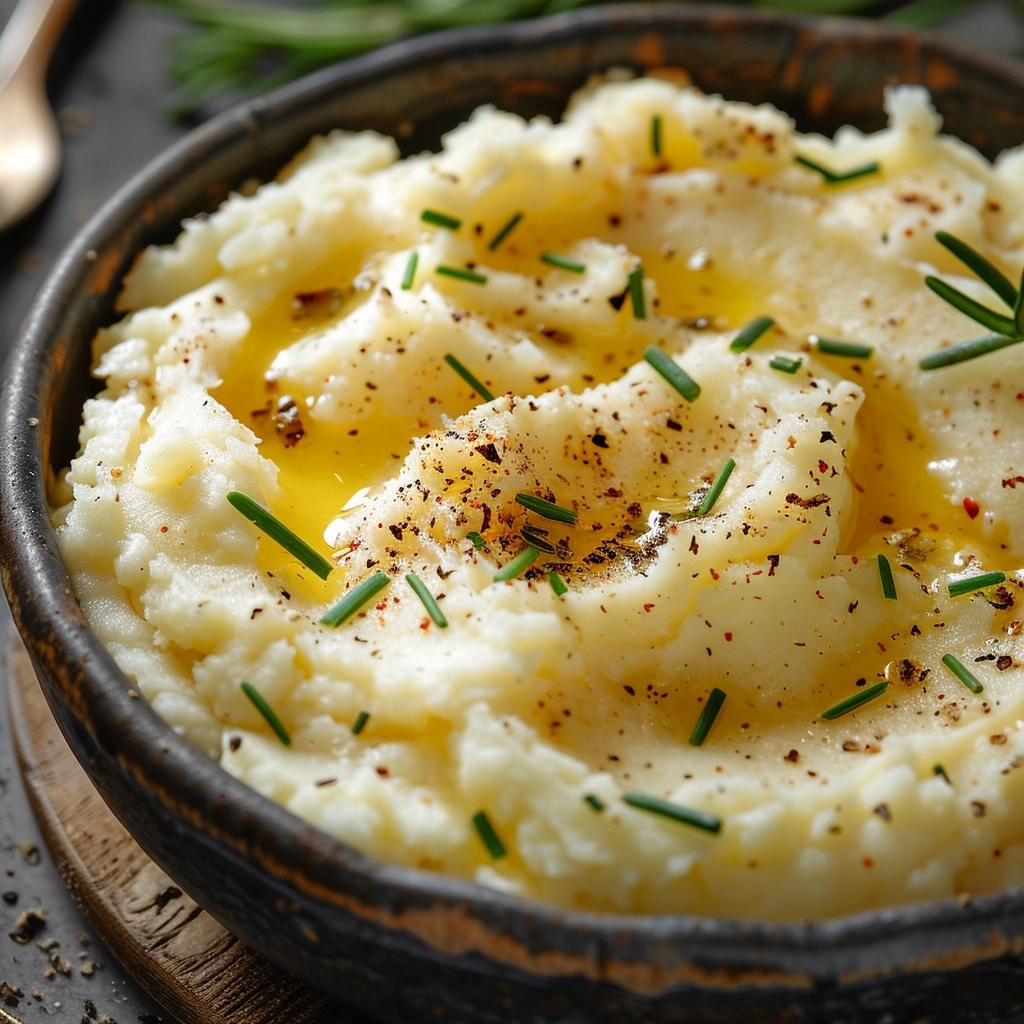
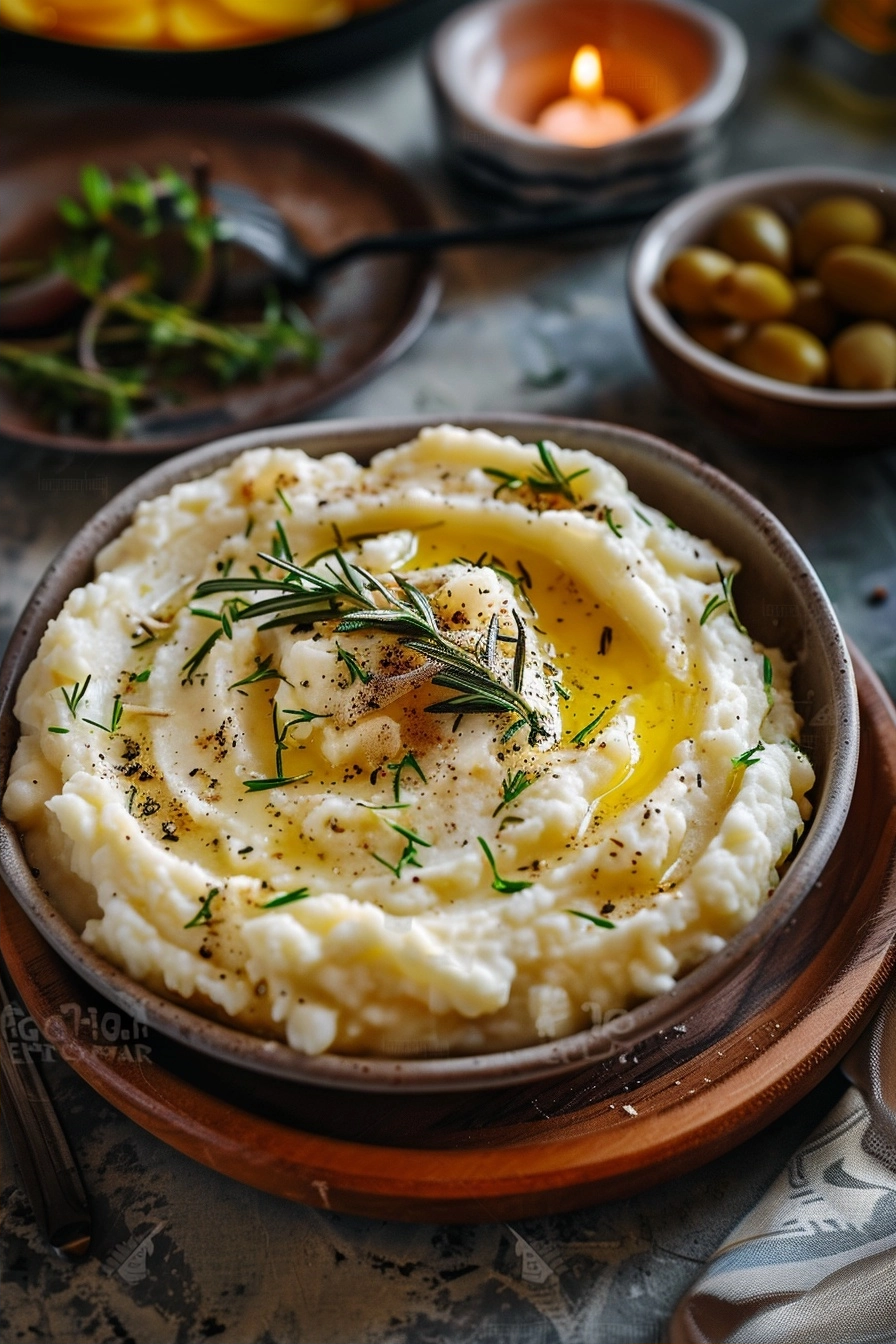
Buttermilk mashed potatoes are a classic side dish featuring fluffy, cooked potatoes blended with tangy buttermilk and rich butter. This preparation method provides a distinct acidity that balances the starchiness of the potato, resulting in a refined texture and elevated flavor profile. These potatoes serve as the perfect accompaniment to roasted vegetables, lean proteins, or vegetarian main courses.
| Prep Time | Cook Time | Total Time | Servings | Difficulty | Cuisine |
|---|---|---|---|---|---|
| 15 mins | 20 mins | 35 mins | 6 | Easy | American |
Why This Recipe Works
This recipe works because the natural acidity of buttermilk acts as a gentle emulsifier for the potato starch. Unlike heavy cream which can sometimes result in a dense or overly fatty texture, buttermilk provides lightness and a subtle tang that cleanses the palate with every bite.
My experience in developing this dish shows that using a mix of Yukon Gold and Russet potatoes creates the ideal balance. The Yukon Gold provides a buttery base while the Russet ensures the fluffy consistency needed to absorb the buttermilk effectively. This combination eliminates the need for excessive heavy dairy.
Ingredients
| Ingredient | Quantity | Notes |
|---|---|---|
| Yukon Gold Potatoes | 2 lbs | Peel and cube into 1-inch pieces |
| Russet Potatoes | 1 lb | Peel and cube into 1-inch pieces |
| Buttermilk | 1 cup | Use full-fat for best results |
| Unsalted Butter | 4 tbsp | Softened at room temperature |
| Sea Salt | 1 tsp | Adjust to personal preference |
| Black Pepper | 0.5 tsp | Freshly ground is best |
Step-by-Step Instructions
Preparing and Cooking Potatoes
- Place cubed potatoes in a large pot and cover with cold water by one inch.
- Add a generous pinch of salt to the water to season the potatoes from within.
- Bring the water to a boil over medium-high heat.
- Reduce heat to low and simmer for 15 to 20 minutes until fork-tender.
Mashing and Blending
- Drain the potatoes thoroughly using a colander to remove all excess moisture.
- Return the warm potatoes to the dry pot over low heat for 60 seconds to evaporate lingering water.
- Mash the potatoes using a potato ricer for the smoothest consistency.
- Whisk the warmed buttermilk and softened butter into the potatoes until smooth and combined.
Chef Tips for Perfect Results
- Always start boiling your potatoes in cold water to ensure even cooking from the center to the edge.
- Warm the buttermilk before adding it to the potatoes to prevent the mixture from cooling down too quickly.
- Use a potato ricer rather than a hand masher to eliminate lumps and achieve a restaurant-style velvety texture.
- Avoid over-mixing the potatoes because excessive mechanical agitation releases starch and creates a gummy consistency.
- Season the cooking water heavily with salt as this is the only chance to flavor the potato flesh directly.
Common Mistakes to Avoid
- Adding cold liquids results in lumpy, lukewarm potatoes that lose their fluffy texture immediately upon serving.
- Using a blender or food processor leads to a gluey, unappetizing paste due to the high-speed blade action.
- Failing to dry the potatoes after boiling leaves excess moisture that prevents the buttermilk from absorbing correctly.
- Salting only at the end causes the potatoes to taste bland because the starch does not absorb the seasoning properly.
Variations and Substitutions
| Ingredient | Substitution | Impact on Flavor |
|---|---|---|
| Buttermilk | Sour Cream | Adds more fat and a thicker, custard-like consistency |
| Butter | Olive Oil | Provides a fruity, Mediterranean flavor profile |
| Black Pepper | White Pepper | Creates a cleaner look without visible specks |
Serving Suggestions and Pairings
Serve these buttermilk mashed potatoes alongside a herb-crusted roast chicken or pan-seared white fish for a balanced meal. They also pair exceptionally well with roasted carrots or a fresh arugula salad for a sophisticated dinner. For a casual holiday meal, consider adding fresh chives or roasted garlic for extra depth.
Storage and Reheating
| Method | Duration | Instructions |
|---|---|---|
| Refrigerator | 3-4 Days | Store in an airtight container |
| Reheating | 10 Mins | Warm in a saucepan with a splash of buttermilk |
Nutritional Information
Approximate values per serving.
| Nutrient | Amount |
|---|---|
| Calories | 240 |
| Protein | 6g |
| Fat | 8g |
| Carbohydrates | 38g |
| Fiber | 3g |
Frequently Asked Questions
Can I make buttermilk mashed potatoes ahead of time?
You can prepare this dish up to one day in advance and store it in the refrigerator. Reheat the potatoes slowly on the stovetop with an additional tablespoon of buttermilk to restore the creamy texture.
What is the best potato variety for mashing?
The best results come from using a blend of Russets and Yukon Golds. This specific combination provides both the starch needed for fluffiness and the fat content needed for a buttery finish.
Why did my mashed potatoes turn gluey?
Mashed potatoes become gluey when they are over-mixed or processed in a high-speed machine. Use a gentle hand or a potato ricer to avoid releasing too much starch from the potatoes.
Is there a substitute for buttermilk?
You can create a buttermilk substitute by adding one tablespoon of lemon juice or white vinegar to a cup of milk. Let the mixture sit for ten minutes before using it in your recipe.
How do I know when potatoes are fully cooked?
Potatoes are fully cooked when a paring knife slides into the center of the largest piece without any resistance. You should see the edges of the potato just starting to soften and fray.
Achieving restaurant-quality buttermilk mashed potatoes requires minimal effort when using the right techniques and fresh ingredients. By focusing on the balance of acidity and proper mashing methods, you can elevate your weeknight dinner with ease. Enjoy the creamy texture and tangy finish that makes this version superior to standard recipes. Incorporate these tips into your cooking repertoire for consistently delicious results every time you reach for the potato peeler.
Print
Buttermilk Mashed Potatoes
- Total Time: 35
- Yield: 6 servings 1x
- Diet: Vegetarian
Description
Experience the ultimate comfort with these fluffy buttermilk mashed potatoes. By combining the buttery texture of Yukon Golds with the starchiness of Russets, this recipe achieves a perfect, light consistency. The addition of tangy buttermilk provides a refined acidity that balances the richness of the butter, creating a sophisticated side dish that pairs beautifully with roasted vegetables or lean protein mains. It is an elevated take on a classic comfort food staple, ensuring a smooth, restaurant-quality result in your own kitchen.
Ingredients
2 lbs Yukon Gold potatoes, peeled and cubed
1 lb Russet potatoes, peeled and cubed
1 cup full-fat buttermilk
4 tbsp unsalted butter, softened
1 tsp sea salt
0.5 tsp freshly ground black pepper
Instructions
Place cubed potatoes in a large pot and cover with cold water by one inch.
Add a pinch of salt to the water.
Bring to a boil over medium-high heat, then reduce to low and simmer for 15-20 minutes until fork-tender.
Drain thoroughly in a colander.
Return potatoes to the warm pot over low heat for 60 seconds to evaporate excess moisture.
Use a potato ricer to mash the potatoes into a smooth consistency.
Whisk in the buttermilk and softened butter until fully incorporated and creamy.
Season with sea salt and black pepper to taste and serve warm.
Notes
Always start boiling potatoes in cold water to ensure even cooking from the inside out. Warming the buttermilk slightly before adding it to the potatoes can help maintain the temperature of the dish and improve absorption. Store leftovers in an airtight container in the refrigerator for up to 3 days.
- Prep Time: 15
- Cook Time: 20
- Category: Baking
- Method: Boiling and Mashing
- Cuisine: American
Nutrition
- Serving Size: 1 cup
- Calories: 240
- Sugar: 3g
- Sodium: 450mg
- Fat: 8g
- Saturated Fat: 5g
- Carbohydrates: 38g
- Fiber: 3g
- Protein: 5g
- Cholesterol: 20mg