

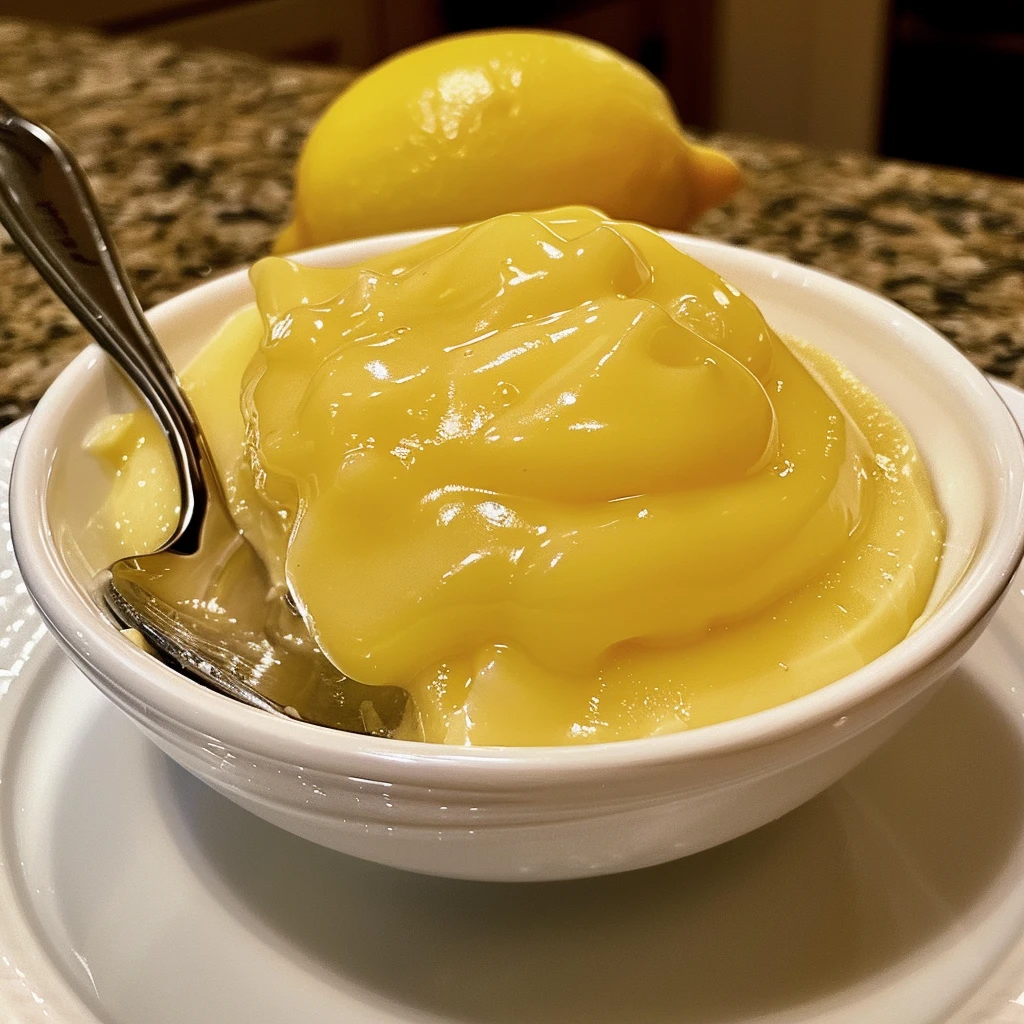
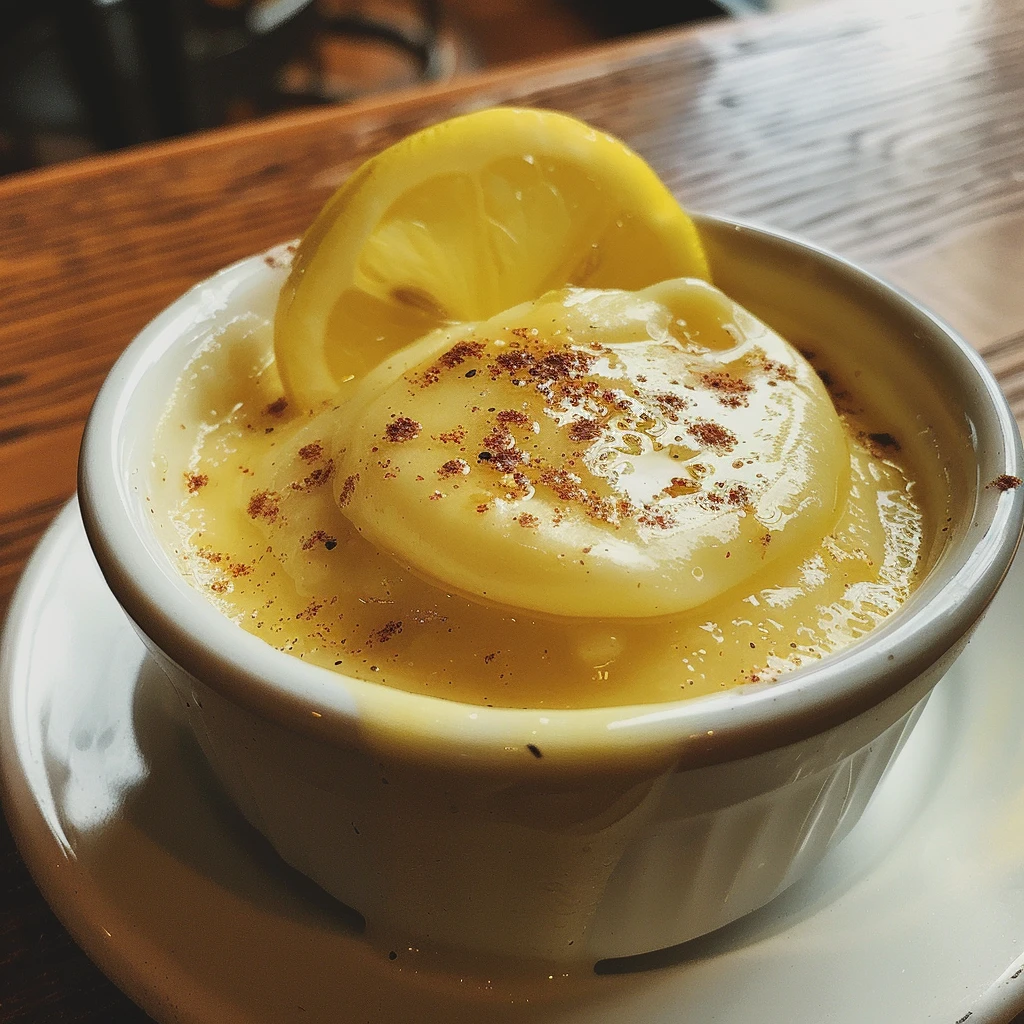
Lemon pudding is a creamy, vibrant dessert blending sweet vanilla custard with bright lemon flavors. Made with fresh lemon juice, zest, and a rich base, this classic American recipe offers a silky texture and a bold citrus kick. Perfect chilled or at room temperature, it’s ideal for spring and summer feasts.
| Prep Time | 20 minutes |
|---|---|
| Cook Time | 25 minutes |
| Total Time | 45 minutes |
| Servings | 6 |
| Difficulty | Medium |
| Cuisine | American |
Why This Recipe Works
Lemon pudding’s appeal lies in its perfect balance of sweetness and acidity. The custard base creates a silky mouthfeel, while the lemon zest adds aromatic depth. Unlike many puddings, this version uses minimal flour, relying on egg yolks for structure. Served chilled, it feels indulgent yet refreshing—ideal for hot weather.
I’ve made this pudding a dozen times, and the texture always impresses. The key is tempering the eggs properly to avoid curdling. For best results, avoid overcooking the custard; a slight warm film on a metal spoon signals doneness.
Ingredients
| Eggs | 4 large (room temperature) | Use aquafaba for vegan option |
| Granulated Sugar | 3/4 cup | Adjust for dietary needs |
| All-Purpose Flour | 1 tbsp | Almond flour for gluten-free |
| Fresh Lemon Juice | 1 cup | Filter cloudiness before using |
| Lemon Zest | 1 tbsp | Use two lemons for best flavor |
| Heavy Cream | 1 cup | Coconut cream for dairy-free |
| Salt | 1/4 tsp | Enhances tartness significantly |
Step-by-Step Instructions
Prepare Base
In a large bowl, whisk eggs until fully blended. Gradually mix in sugar until dissolved.
Add Liquids
Add lemon juice, freshly grated zest, and salt. Whisk to combine thoroughly.
Temper Custard
Slowly pour warm (not hot) cream into the egg mixture while whisking constantly to prevent curdling.
Stabilize Mixture
Sift flour into custard and blend until completely incorporated. Use a balloon whisk for smoothness.
Cook Pudding
Transfer to a heavy-bottomed saucepan. Cook over medium heat, stirring continuously until the mixture thickens enough to coat a metal spoon with a thin film.
Cool and Chill
Pour pudding into a bowl set over ice to cool. Once cooled, refrigerate for at least 2 hours before serving.
Chef Tips for Perfect Results
Use room temperature eggs to ensure smooth mixing and reduce risk of curdling
Double-check lemon juice quantity—1 cup diluted with 2 tbsp water prevents overwhelming bitterness
Cover the pudding bowl with plastic wrap directly on the surface to prevent a skin from forming
For vegan version, replace eggs with 1.5 cups aquafaba and heavy cream with full-fat coconut milk
Common Mistakes to Avoid
Not tempering eggs first leads to scrambled custard; always add liquid gradually
Overcooking burns the delicate flavor; stop at 160°F (71°C) internal temperature
Using bottled lemon juice creates flat flavor; always use fresh juice and zest
Neglecting to chill the pudding properly prevents proper set formation
Variations and Substitutions
| Eggs | Aquafaba (1 egg = 3 tbsp) | Slightly denser texture |
| All-Purpose Flour | Almond flour (1 tbsp) | Enhances nutty flavor |
| Heavy Cream | Coconut milk (full-fat) | Restricts gluten but adds richness |
| Lemon Zest | Lime zest | Creates tropical citrus variation |
Serving Suggestions and Pairings
Serve chilled with a variety of accompaniments:
Strawberries and meringue toppings become summer favorites
Vanilla bean ice cream creates a classic spoon-twirling combo
Edible flowers and shaved chocolate add visual elegance
Pair with sparkling tea or lemonade at afternoon tea services
Perfect as a decadent addition to summer potlucks and bridal showers
Storage and Reheating
| Method | Duration | Instructions |
|---|---|---|
| Refrigerator | 5 days | Store in airtight container with layer of plastic wrap on surface |
| Freezer | 2 months | Freeze in individual portions labeled with date |
| Reheat | 24 hours | Bring to room temperature then pour over new custard base |
Nutritional Information
| Nutrient | Amount per Serving |
|---|---|
| Calories | 320 |
| Protein | 7g |
| Fat | 26g |
| Carbohydrates | 18g |
| Fiber | 0.5g |
| Sugar | 15g |
| Sodium | 300mg |
Frequently Asked Questions
Can I use egg substitutes successfully?
Yes, aquafaba and cornstarch can replace eggs effectively. Use 1.5 cups aquafaba for four eggs, and add 2 tbsp cornstarch for binding.
How to tell if the pudding is done?
Test with a metal spoon—when only a thin film coats the surface without visible streaks, it’s ready. Stop cooking immediately to avoid overcooking.
My pudding split in the pan. What went wrong?
Splitting occurs when eggs are added to hot liquid too quickly. Always pour warmed liquid into eggs, not vice versa, while stirring continuously.
Can I prepare this up to three days ahead?
Yes, though best enjoyed within two days. Store covered in the refrigerator and stir well before serving.
What distinguishes this from lemon custard?
This recipe uses more egg yolks and less flour than traditional custard, creating a silkier texture and more pronounced lemon flavor.
Conclusion
Lemon pudding delivers a refreshing burst of citrus in every spoonful. With proper technique, this American classic becomes a stunning yet simple dessert. Let bold lemon flavors elevate your spring and summer menus, and don’t forget a dollop of extra whipped cream for that elegant finish.
Print
Lemon Pudding Recipe: Tangy Citrus Elegance in Every Spoonful
- Total Time: 45
- Yield: 6 servings 1x
- Diet: Vegetarian
Description
A creamy, tangy dessert blending vanilla custard with bold lemon flavors. Perfect chilled for a refreshing treat that shines as a spring or summer finale.
Ingredients
4 large eggs (room temperature)
3/4 cup granulated sugar
1 tbsp all-purpose flour
1 cup fresh lemon juice
1 tbsp lemon zest
1 cup heavy cream
1/4 tsp salt
Instructions
Whisk eggs until fully blended. Gradually mix in sugar until dissolved
Add lemon juice, zest, and salt. Whisk to combine thoroughly
Slowly pour warm cream into the egg mixture while whisking constantly to prevent curdling
Sift flour into custard and blend until smooth
Transfer to a saucepan. Cook over medium heat, stirring continuously until thickened to coat a spoon
Pour into a bowl over ice to cool. Refrigerate for at least 2 hours before serving
Notes
Use room-temperature eggs for smooth blending
Filter lemon juice to avoid cloudiness
Avoid overcooking; a thin film on a spoon signals doneness
Substitute aquafaba for eggs in vegan versions
Replace all-purpose flour with almond flour for gluten-free
Use coconut cream for a dairy-free version
- Prep Time: 20
- Cook Time: 25
- Category: Desserts
- Method: Stovetop Cooking
- Cuisine: American
Nutrition
- Serving Size: 1 serving
- Calories: 350
- Sugar: 30g
- Sodium: 300mg
- Fat: 18g
- Saturated Fat: 12g
- Carbohydrates: 30g
- Fiber: 0g
- Protein: 4g
- Cholesterol: 100mg