
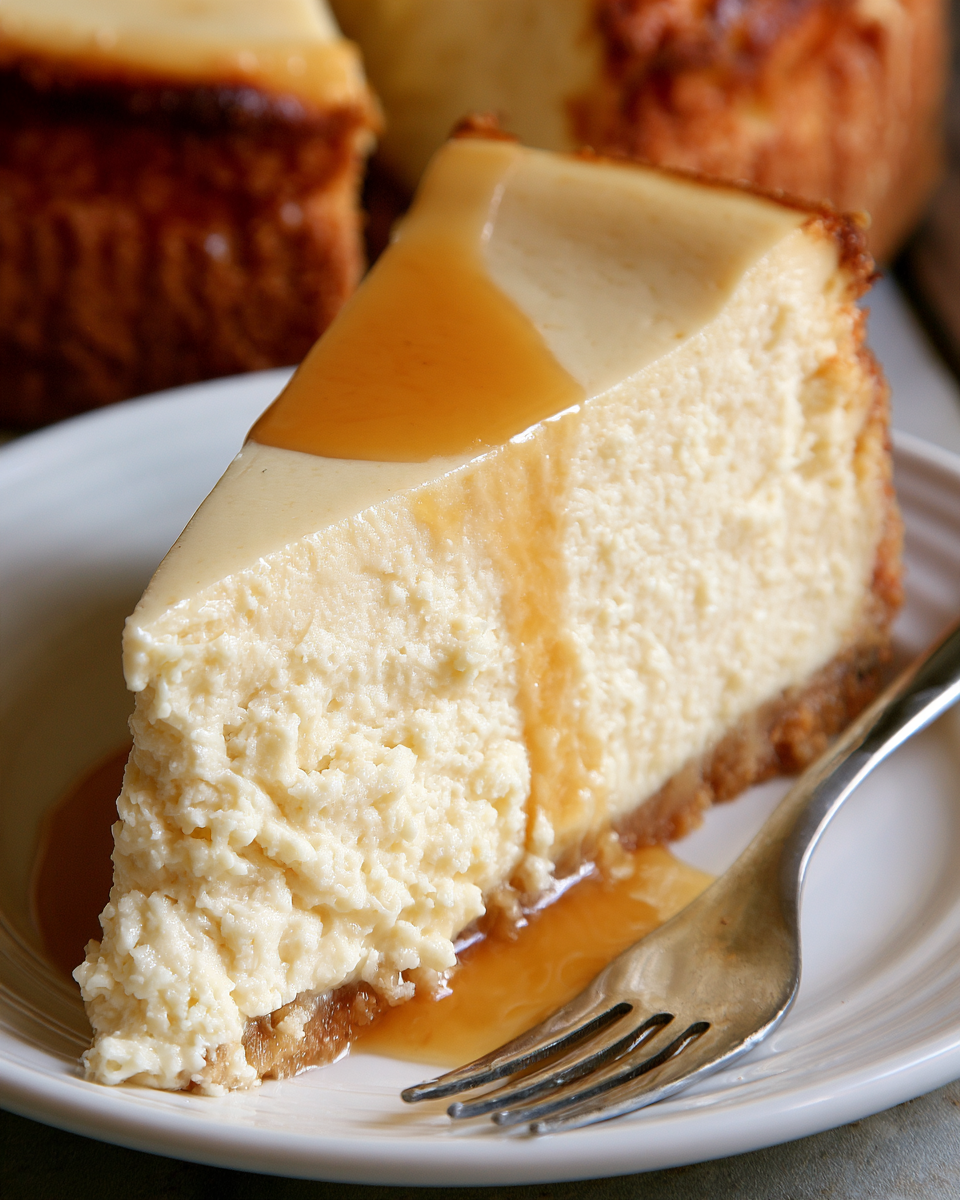
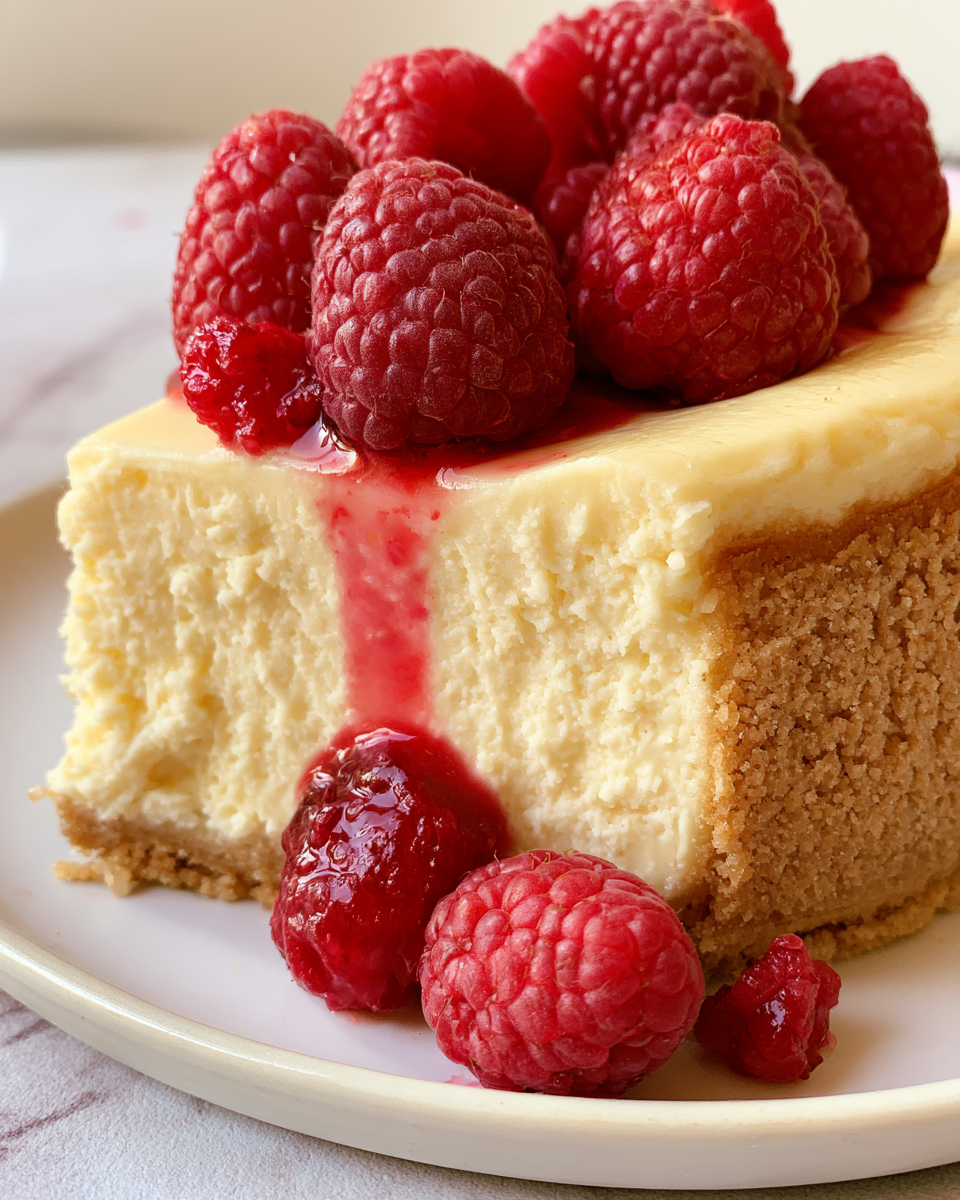
The best cheesecake recipe delivers a velvety, dense, and rich dessert experience that anchors any special occasion with professional quality. Achieving this result requires precise temperature management and high-quality dairy to ensure a smooth, crack-free surface. Home bakers consistently find that this specific method produces the most stable and decadent structure possible.
Recipe Overview
| Prep Time | 20 minutes |
|---|---|
| Cook Time | 75 minutes |
| Total Time | 9 hours (including cooling) |
| Servings | 12 slices |
| Difficulty | Intermediate |
| Cuisine | American |
Why This Recipe Works
This recipe works because it relies on the science of slow baking in a water bath to maintain a constant, gentle heat. By preventing the eggs from over-coagulating, the filling retains its signature silkiness without becoming grainy or dry.
Personal experience shows that bringing ingredients to room temperature before mixing is the most critical step for success. This habit removes air bubbles and ensures a completely uniform batter that sets perfectly in the refrigerator. Using a combination of full-fat cream cheese and a touch of sour cream adds the necessary tang to balance the sugar.
Ingredients
| Ingredient | Quantity | Notes |
|---|---|---|
| Cream Cheese | 32 ounces | Must be room temperature |
| Granulated Sugar | 1.5 cups | White cane sugar works best |
| Sour Cream | 1 cup | Full fat is essential |
| Vanilla Extract | 2 teaspoons | Pure extract provides best depth |
| Large Eggs | 4 large | Room temperature |
| Graham Cracker Crumbs | 1.5 cups | Store-bought or crushed manually |
| Unsalted Butter | 6 tablespoons | Melted |
Step-by-Step Instructions
Preparing the Crust
Combine the crushed graham crackers, melted butter, and two tablespoons of sugar in a medium mixing bowl.
Press the mixture firmly into the bottom of a greased nine-inch springform pan using the back of a glass.
Bake the crust at 350 degrees Fahrenheit for ten minutes until golden brown.
Remove from the oven and cool completely on a wire rack before adding the filling.
Mixing the Filling
Beat the softened cream cheese and sugar in a large bowl on medium speed until smooth.
Add the sour cream and vanilla extract, mixing until just combined and free of lumps.
Incorporate the eggs one at a time, using the lowest speed possible to avoid introducing air.
Pour the batter over the prepared crust, smoothing the top with a silicone spatula.
Baking the Cheesecake
Wrap the bottom of the springform pan securely with two layers of heavy-duty foil.
Place the pan into a larger roasting pan and fill the outer pan with hot water halfway up the sides.
Bake at 325 degrees Fahrenheit for 75 minutes until the center jiggles slightly like gelatin.
Turn the oven off and leave the door cracked for one hour to prevent shock-induced cracking.
Chill the cheesecake in the refrigerator for at least six hours before slicing and serving.
Chef Tips for Perfect Results
Always use room temperature ingredients to ensure the batter remains lump-free and smooth during the mixing phase.
Avoid over-mixing the eggs, as incorporating too much air leads to the cheesecake rising and then collapsing while cooling.
Wrap the springform pan thoroughly with foil to prevent water seepage from the bath, which would make the crust soggy.
Use a water bath, also known as a bain-marie, to ensure the temperature stays consistent and gentle throughout the baking process.
Run a thin knife around the edge of the cake immediately after removing it from the oven to allow for natural shrinkage.
Common Mistakes to Avoid
Over-baking the cheesecake is the most common error that leads to a dry, cracked texture. Fix this by removing the cake when the center still jiggles when the pan is nudged. Another mistake is using low-fat cream cheese, which lacks the structure required for a firm set; always use full-fat products. Avoid aggressive mixing, as it introduces air bubbles that compromise the density of your final product. Finally, rushing the cooling process ruins the internal structure, so ensure it rests in the oven and then the fridge for the full duration.
Variations and Substitutions
| Ingredient | Substitution | Impact on Flavor |
|---|---|---|
| Graham Crackers | Ginger Snaps | Adds a spicy, warm note |
| Sour Cream | Greek Yogurt | Increases protein and slight tang |
| Vanilla Extract | Almond Extract | Creates a nutty, aromatic profile |
Serving Suggestions and Pairings
Serve this cheesecake with a fresh strawberry coulis or a salted caramel drizzle for a classic presentation. For holiday gatherings, a topping of sugared cranberries or toasted pecans provides excellent texture contrast. A cup of freshly brewed black coffee or herbal tea effectively cuts through the richness of the dessert.
Storage and Reheating
| Method | Duration | Instructions |
|---|---|---|
| Refrigerator | 5 days | Wrap tightly in plastic wrap |
| Freezer | 3 months | Freeze solid before wrapping in foil |
Nutritional Information
| Nutrient | Amount per Serving |
|---|---|
| Calories | 480 |
| Fat | 35g |
| Protein | 8g |
| Carbohydrates | 32g |
Approximate values per slice.
Frequently Asked Questions
Can I substitute cream cheese with neufchatel cheese?
Yes, you can substitute cream cheese with neufchatel cheese for a slightly lighter texture and lower fat content. The flavor remains largely the same, though the cake will be slightly less dense and rich.
How do I know when the cheesecake is fully baked?
The cheesecake is done when the edges are set and puffy while the center maintains a slight wobble. Do not wait for the center to become firm during the baking process or it will be overcooked.
Why did my cheesecake crack on top?
Cheesecake cracks are caused by either over-baking or a sudden temperature change. Prevent this by using a water bath and allowing the cake to cool slowly inside the turned-off oven.
Can I prepare this recipe one day in advance?
Yes, this recipe is perfect for making in advance because the texture improves after resting in the refrigerator. The flavors meld together better when chilled overnight, making it easier to slice cleanly.
What is the best way to slice a cheesecake?
The best way to slice a cheesecake is to use a long, sharp knife dipped in hot water and wiped clean between every cut. This technique ensures perfectly smooth edges for every single portion served.
Conclusion
Mastering the best cheesecake recipe provides you with a reliable dessert staple that impresses guests every time. By following the precise cooling and baking steps outlined, you avoid common pitfalls and achieve a professional bakery-style result. Practice these techniques to refine your process and enjoy the luxurious, smooth flavor that defines this classic treat. With high-quality ingredients and careful attention to the water bath method, your kitchen will consistently produce the ultimate cheesecake for your friends and family.
PrintClassic Creamy Cheesecake
- Total Time: 540
- Yield: 12 slices 1x
- Diet: Vegetarian
Description
Experience the ultimate dessert with this velvety, dense, and rich cheesecake. Perfectly balanced with high-quality cream cheese and a touch of sour cream, this recipe utilizes a water bath method to ensure a smooth, crack-free finish that anchors any special occasion with professional, decadent quality.
Ingredients
32 ounces cream cheese, room temperature
1.5 cups granulated sugar
1 cup full-fat sour cream
2 teaspoons pure vanilla extract
4 large eggs, room temperature
1.5 cups graham cracker crumbs
6 tablespoons unsalted butter, melted
2 tablespoons granulated sugar (for crust)
Instructions
Preheat oven to 350 degrees Fahrenheit.
Combine graham cracker crumbs, melted butter, and two tablespoons sugar; press into a nine-inch springform pan.
Bake crust for ten minutes, then cool completely on a wire rack.
Beat cream cheese and 1.5 cups sugar until smooth.
Mix in sour cream and vanilla until combined.
Incorporate eggs one at a time on low speed.
Pour batter over crust and smooth the top.
Bake in a water bath at 325 degrees Fahrenheit for 75 minutes.
Turn off oven and leave cake inside for one hour before cooling on a rack and refrigerating for at least 8 hours.
Notes
Ensure all dairy and eggs are at room temperature before mixing to prevent lumps. Using a water bath is essential for preventing cracks and ensuring an even bake. Avoid over-mixing the batter after adding eggs to prevent air bubbles.
- Prep Time: 20
- Cook Time: 75
- Category: Baking
- Method: Baking
- Cuisine: American
Nutrition
- Serving Size: 1 slice
- Calories: 480
- Sugar: 32g
- Sodium: 350mg
- Fat: 36g
- Saturated Fat: 20g
- Carbohydrates: 35g
- Fiber: 0g
- Protein: 8g
- Cholesterol: 160mg